
.png)


Designing for Comfort: Simple Ways to Refresh Your Living Space
author/source: Henry Kingston

Your home should feel like a place of ease, warmth, and renewal. It’s where you rest, recharge, and spend quality time with loved ones. Over time, though, living spaces can start to feel cluttered, stale, or less inviting. The good news is that refreshing your home doesn’t always mean big renovations or heavy spending. Small, intentional changes can dramatically improve comfort and create an atmosphere that feels fresh and welcoming.
This article explores simple yet impactful tips to redesign your space for everyday comfort, combining functionality with a sense of calm.
Declutter and Create Breathing Room
One of the easiest yet most effective ways to refresh a living space is to reduce clutter. When surfaces are filled with items, it creates visual stress and makes a room feel smaller. Taking the time to clear out what you no longer use can create a noticeable shift in comfort. Start with small areas like a side table or bookshelf. Donate or store items you no longer need. This simple habit opens up breathing room and allows your favorite pieces to stand out. Organized spaces also make it easier to move around and keep track of daily essentials.

Keep Your AC in Top Shape for Summer Comfort
Nothing disrupts comfort faster than a home that is too hot. During summer, having a well-functioning AC is a necessity. Regular maintenance ensures your system works efficiently, keeping energy bills lower and extending the life of the unit.
Routine inspections are especially important before the hottest months arrive. A technician can identify worn-out parts, low refrigerant levels, or clogged filters that strain the system. If you are unsure about what AC inspections consist of, it’s worth asking your service provider to explain the process. Understanding how each step protects your comfort helps you stay on top of future maintenance needs.
By keeping your AC in working order, you ensure your living space remains cool, safe, and comfortable during the times you need it most.
Refresh with Natural Light
Light has a powerful effect on how a space feels. Rooms filled with natural light feel open, fresh, and welcoming. Simple steps like pulling back heavy curtains or replacing them with lighter fabric can instantly brighten a room. Positioning mirrors across from windows also helps reflect sunlight and make the area look larger.
Even small increases in natural light can boost mood and energy levels. If your windows are limited, consider rearranging furniture so that seating areas are closer to the light source.
A brighter space feels more alive and brings a refreshing touch to daily living.
Choose Calming Color Palettes
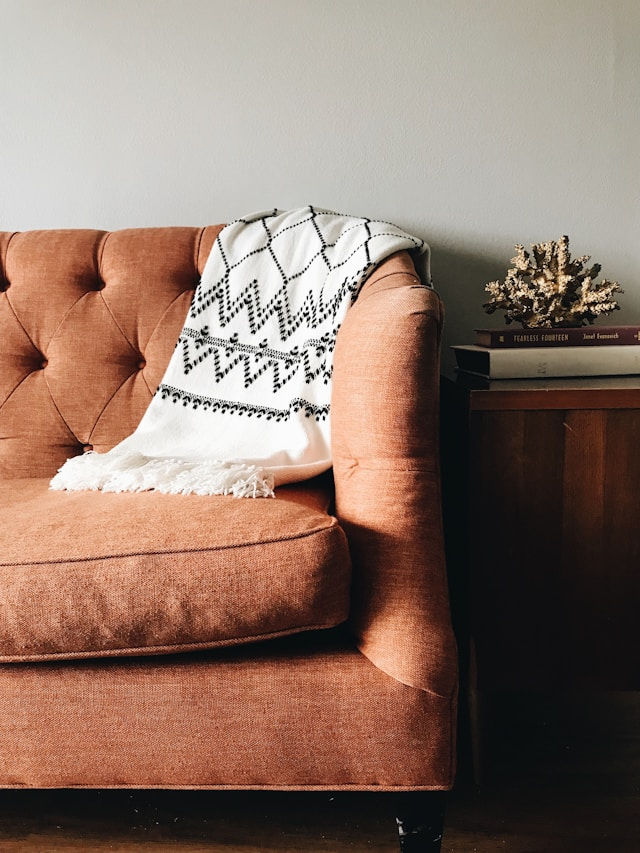
Color plays a key role in how we experience comfort. Walls painted in soft tones can make a room feel calm and inviting. Neutral colors such as beige, gray, or off-white create a backdrop that works well with any style. Lighter shades also reflect light, making a space feel larger and more open.
For those who enjoy a pop of vibrancy, accents like throw pillows, rugs, or small decorative items can bring in brighter tones without overwhelming the space. Choosing colors that align with your personality while keeping balance in mind helps you create a home that feels both relaxing and expressive.
Add Soft Textures and Layers
Comfort is not only about what you see but also about what you feel. Adding soft textures can make a space instantly cozier. A warm throw draped over the sofa, cushions with varied fabrics, or a plush rug underfoot create layers of comfort that invite relaxation.
Textiles can also change with the seasons. In colder months, thicker blankets and heavier fabrics provide warmth, while lighter cottons and linens work well during summer. By layering different textures, you can keep the space fresh and welcoming throughout the year.
Reorganize Furniture for Flow
The way furniture is arranged can change how a room feels and functions. If a space feels cramped or hard to move through, a new layout may be all it needs. Assess how everyone uses the room.
Do you have to walk around a sofa every time you enter? Does a table block natural pathways? Small changes, such as moving a chair or shifting a coffee table, can open up space and improve comfort.
Furniture placement also affects how a room is used. Arranging seats to face each other instead of a wall encourages conversation. Creating a reading corner with a comfortable chair and lamp invites relaxation. These details don’t require new purchases but instead use what you already have more smartly.
Prioritize Good Air Quality
Clean air has a direct impact on how comfortable a space feels. Dust, allergens, and stale air can make a room unpleasant even if it looks neat. Adding a few houseplants can naturally improve air quality while bringing in a touch of greenery.
Air purifiers are another option if you want a more targeted solution. They help reduce pollutants, especially for those with allergies. Regularly cleaning or replacing HVAC filters is also essential. When the air feels fresh, the whole environment becomes more enjoyable, making it easier to breathe, relax, and focus.
Incorporate Multi-Functional Pieces

Furniture that serves more than one purpose makes a home more flexible. A storage ottoman, for example, can act as seating, a table, and a place to tuck away blankets or books. Foldable tables or modular shelving adapt to changing needs, whether you’re entertaining guests or making room for a new hobby.
Multi-functional pieces also reduce clutter by cutting down the number of items needed in a room. Instead of separate storage bins and seating, one piece can handle both. This approach makes the space look cleaner and helps maintain comfort without sacrificing style.
Create Zones for Relaxation
Not every part of the home needs to serve multiple functions. Setting aside areas dedicated to relaxation can make a big difference in comfort. This doesn’t always mean an entire room. A corner with a soft chair, a side table, and good lighting can be enough.
Defining zones helps separate work from rest. For those working from home, having a clear divide between a workspace and a relaxation area keeps stress from spilling into downtime.
Refreshing a living space is less about following trends and more about making choices that improve daily life. Every home has its own rhythm, and comfort comes from recognizing what works best for the people who live there. The steps you take should not only make the space look better but also support how you want to feel in it.
Ultimately, a home that reflects both function and personality becomes more than a place to stay—it becomes a place where you can truly live with ease.


Comments