


Stop Apologizing for Being Yourself: Let Go of Guilt and People-Pleasing
I used to apologize for just about everything.
For being me. For having an opinion. For doing something differently than someone else expected. For the possibility that I might have upset somebody.
These days, I hardly ever apologize for being me.
That doesn't mean I never apologize. If I've hurt someone or done something wrong, I want to know. I want the opportunity to own my part and make amends.
But I'm learning that I don't have to chase people to find out whether I've done something wrong.

I've been working through that recently with someone I met about a year ago.
At first, I thought she might be a potential client. As I got to know her, I realized I wasn't the right person to help her with what she needed. I realized her needs extended beyond the support I could offer, and it became clear we weren't the right fit.
I didn't have a big conversation about it. I just started putting a little more distance between us.
Then I noticed she had unsubscribed from my email list. She unfollowed or unfriended me on Facebook. Just little things that made it clear she was stepping away, too.
And for a while, I wanted to know why.
What did I do?
Did I say something wrong?
Was she upset with me?
I could have spent a lot of time trying to figure it out. I could have reached out and asked for an explanation. I could have started apologizing for things I didn't even know whether I'd done.
But eventually I realized something.

I was making decisions that I needed to make for myself and my business. She wasn't really a factor in those decisions. And I have no idea what her reasons were for stepping away.
Maybe I hurt her feelings. Maybe she felt I was rude. Maybe it had nothing to do with me.
I don't know.
And I can care about that without making up a story about what happened.
If I did something wrong, I would want the opportunity to apologize and make amends. But I can't take responsibility for something I haven't been told about, and I'm not going to spend my life speculating about every possible thing I might have done.
She gets to live her life the way she chooses. She gets to decide who she wants to follow, talk to, or have in her circle.
And I get to do the same.
That's been a big part of what it means for me to stop apologizing for being myself.
I can be kind. I can be accountable. I can care about other people's feelings. And I can still allow them to make choices I don't understand.
I don't have to turn every person's decision into a verdict on who I am.
Maybe you're dealing with something similar. Someone has pulled away, stopped responding, or changed the way they interact with you, and your brain keeps trying to solve the mystery.
If there's something you know you need to own, own it. If there's a conversation you genuinely want to have, you can choose to have it.
But you don't have to invent a wrongdoing just so you have something to apologize for.
You are allowed to let someone else's choice belong to them.
As we wrap up October, I'd love for you to think about this:
What is one thing you're ready to stop apologizing for?
Send me a message and tell me. It can be something big or something as simple as allowing yourself to be who you are.
To choose ourselves,
Jen
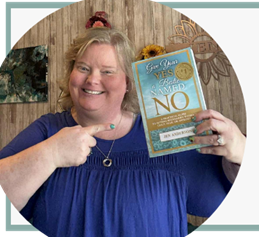
P.S. If this story has brought up some old beliefs about who you're allowed to be, what you're allowed to want, or how much responsibility you carry for other people's feelings, my book The Life You Stop Apologizing For was written for this kind of reflection. The companion workbook gives you space to explore those patterns and begin making changes in your own life.


Comments